
Reducing food waste at home is not only good for your wallet but also beneficial for the environment. When food is wasted, so are the resources used to produce, transport, and store it. Fortunately, there are many simple strategies you can adopt to cut down on food waste in your household. This post will guide you through practical tips to help you make the most of your groceries, reduce waste, and enjoy fresher meals.
Why Reduce Food Waste?
Food waste contributes significantly to environmental issues like greenhouse gas emissions and water waste. By minimizing food waste, you can help conserve resources, reduce pollution, and save money by making better use of the food you buy.
Plan Your Meals Ahead
Create a Weekly Meal Plan
Planning your meals for the week helps you buy exactly what you need and avoid impulse purchases that may go unused. Write down what you intend to cook for each day and list the ingredients required.
Check Your Pantry and Fridge Before Shopping
Before heading to the store, review what you already have to prevent buying duplicates or items you won’t use in time.
Smart Grocery Shopping
Shop with a List
Using a shopping list based on your meal plan keeps your shopping focused and reduces the chance of buying unnecessary items.
Avoid Bulk Purchases for Perishables
Buying too many fresh foods like fruits or vegetables can lead to spoilage. Purchase quantities that match your consumption rate.
Store Food Properly
Use Clear Containers
Storing leftovers and fresh produce in transparent containers makes it easier to see what you have, reducing the likelihood of forgetting food.
Understand Storage Guidelines
Learn how to store different types of food correctly. For example, some fruits continue to ripen at room temperature, while others last longer in the fridge.
Label Leftovers
Write the date on containers with leftovers to track how long they have been stored.
Manage Portions Wisely
Serve Smaller Portions
Serving manageable portions helps prevent uneaten food on plates. You can always go back for seconds if you’re still hungry.
Save Leftovers for Later
If you have extra food, refrigerate it promptly and plan to eat it within a few days.
Use Leftovers Creatively
Repurpose Leftovers into New Meals
Transform last night’s roasted vegetables into a hearty soup or use extra rice to make a stir-fry.
Freeze Surplus Food
Many cooked and uncooked foods freeze well. Portion meals and freeze extras for busy days.
Compost Food Scraps
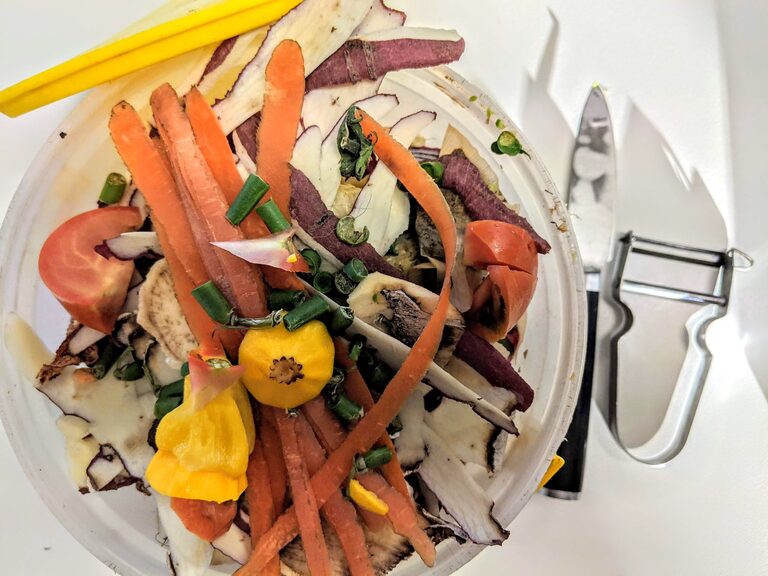
Even with the best efforts, some food scraps are inevitable. Composting vegetable peels, coffee grounds, and eggshells can reduce landfill waste and create nutrient-rich soil for gardening.
Regularly Clean and Organize Your Fridge and Pantry
First In, First Out (FIFO)
When adding new groceries, place older items in front so they get used first.
Periodic Checks
Once a week, inspect your fridge and pantry for items nearing expiration and prioritize using them.
Educate Your Household
Involve family members or housemates in waste reduction efforts. Sharing responsibilities and encouraging mindful consumption can make a significant impact.
Final Thoughts
Reducing food waste at home doesn’t require drastic changes. By planning meals, shopping smartly, storing food properly, managing portions, and getting creative with leftovers, you can significantly cut down on waste. These small habits add up over time, saving you money and supporting a healthier planet. Give these tips a try and enjoy a more sustainable and efficient kitchen!