
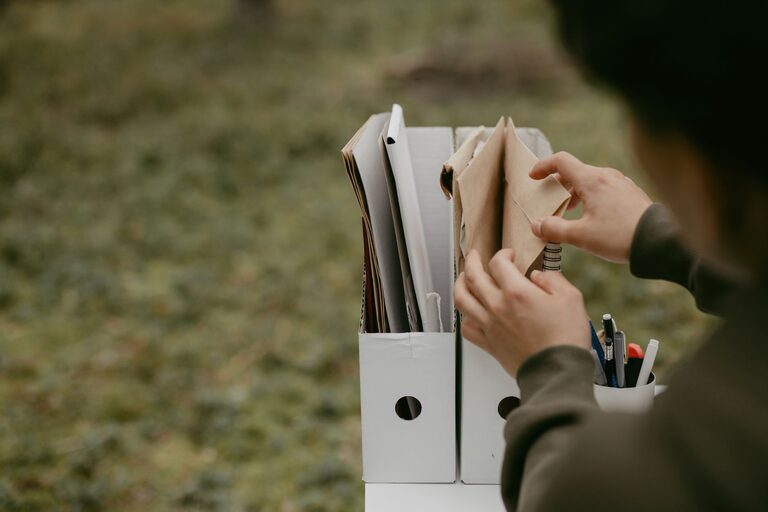
Paper clutter is a common issue in many households. Bills, receipts, magazines, school papers, and junk mail can quickly pile up and create a messy environment. While paper might seem harmless, clutter can lead to stress and wasted time searching for important documents. The good news is that reducing household paper clutter is achievable with some simple and consistent habits. In this post, we’ll explore practical ways to cut down on paper accumulation and keep your home organized.
Why Reduce Paper Clutter?
Before diving into solutions, it’s helpful to understand why reducing paper clutter matters:
– Improves focus and reduces stress: A clean environment can boost mental clarity.
– Saves time: Easier to find important documents when needed.
– Increases efficiency: Streamlined paperwork can simplify bill payments and record-keeping.
– Creates more space: Less paper means a tidier, more spacious home.
Start with a Paper Decluttering Session
Begin by sorting through all visible paper piles. This initial step can feel overwhelming but breaking it down helps.
Steps to Declutter Paper
- **Gather all papers:** Collect papers from drawers, counters, desks, and other spots.
- **Sort into categories:** Examples include bills, receipts, personal documents, schoolwork, magazines, and junk mail.
- **Discard immediately:** Shred or recycle anything unnecessary, such as old flyers, expired coupons, or outdated documents.
- **Create a “To-Do” pile:** For papers that require action, like bills to pay or forms to fill out.
- **Organize important papers:** Place essential documents like tax paperwork, warranties, and medical records in labeled folders or files.
Adopt Systems to Manage Incoming Paper
Once you’ve reduced existing clutter, set up strategies to handle new papers efficiently.
Use a Central Mail Station
Designate a specific spot near your entryway or kitchen where all incoming mail and paperwork go. This keeps papers from spreading throughout the house.
– Use a tray, basket, or wall organizer.
– Check it daily to process mail promptly.
Sort Mail Immediately
Don’t let mail pile up. Quickly open and sort it into categories:
– Important: Bills, official letters, invitations.
– To be filed: Documents to keep.
– To act on: Forms to complete, RSVP cards.
– Junk: Advertisements and junk mail to recycle.
Go Paperless Whenever Possible
Many companies offer electronic statements and bills. Opting for paperless billing helps reduce mail volume.
– Sign up for online banking and bill pay.
– Use apps to view receipts and warranties digitally.
– Request digital versions of newsletters or magazines.
Organize and Store Papers Smartly
Having a clear organization system makes maintaining minimal clutter easier.
Use a Filing System
Invest in a simple filing cabinet, portable file box, or accordion folder.
– Use labeled folders for categories like “Taxes,” “Home,” “Medical,” “School,” and “Receipts.”
– File papers regularly to avoid pile-ups.
Create a System for Receipts
Receipts often accumulate quickly and take up space.
– Keep a small accordion folder or envelope for current receipts.
– Periodically sort and discard receipts that are no longer needed.
– Use apps to digitize and organize receipts if preferred.
Designate a Workspace
Keep a specific area equipped with necessary supplies such as a shredder, recycling bin, pens, and sticky notes.
– This encourages immediate attention to paper tasks.
– Helps prevent papers from spreading to other areas.
Maintain Your Paper Organization
Consistency is key to avoiding clutter build-up.
Schedule Weekly Paper Time
Set aside 10-15 minutes weekly to:
– Process the mail.
– File new papers.
– Shred unneeded documents.
– Review and declutter your paper files.
Educate Family Members
Share your paper management system with family or housemates to encourage cooperation.
– Make it easy for everyone to know where to put papers and how to recycle junk mail.
– Assign responsibilities if needed.
Use Digital Tools
Leverage technology to reduce paper and stay organized:
– Scan important documents and store them securely on your computer or cloud.
– Use budgeting or bill tracking apps to reduce paper statements.
– Organize school papers digitally with apps designed for students and parents.
Additional Tips to Cut Paper Clutter
– Subscribe selectively: Limit magazine or catalog subscriptions to only those you truly enjoy.
– Unsubscribe from junk mail: Contact companies or use services to opt out of unsolicited mail.
– Avoid printed emails: Read and manage emails digitally instead of printing.
– Repurpose scrap paper: Use the blank side for notes or shopping lists before recycling.
Conclusion
Reducing household paper clutter doesn’t require a complete lifestyle overhaul. With small, consistent actions like sorting mail immediately, going paperless, and maintaining organized storage, you can create a more peaceful and efficient home environment. Start with decluttering today and adopt these simple habits to keep your paper piles under control every day. Your future self will thank you!